Furniture That Lives Many Lives

Today we explore circular furniture lifecycles, focusing on ethical sourcing, thoughtful repair, and everyday maintenance that keeps beloved pieces useful for decades. Discover practical checklists, maker insights, and science-backed care routines for eco-conscious homes determined to waste less, breathe cleaner air, and cherish craftsmanship that respects forests, workers, and future generations.

Tracing Materials With Confidence

Look for clear chain-of-custody documentation, certifications like FSC or PEFC, and meaningful supplier transparency that explains where wood grew, how metals were recovered, and why fibers were selected. These details reduce guesswork, discourage destructive logging, and align quality with measurable stewardship from forest floor to living room.

People Behind the Pieces

Furniture holds stories of hands and communities. Favor workshops that pay living wages, protect health, and invest in training. Partnerships with indigenous stewards and small mills help safeguard biodiversity while teaching repairable joinery, ensuring each piece honors both craft heritage and the futures of the artisans’ families.

Low-Impact Finishes and Adhesives

Choose water-based finishes, plant oils, and formaldehyde-free substrates that keep indoor air cleaner while preserving grain and strength. Low-VOC coatings, responsibly sourced shellacs, and safer adhesives reduce emissions during curing, support household wellbeing, and make future refinishing less hazardous for you and the next caretaker.
Fasteners Over Glue-Only Construction

Mechanical connections like screws, bolts, and knock-down hardware make joints serviceable without destructive prying. Glues have a role, but balanced designs permit tightening, part replacement, and non-invasive upgrades. Clear assembly maps and labeled hardware empower confident repairs and eliminate the fear of breaking what you hope to save.

Replaceable Components Make Longevity Practical

Seat pans, webbing, casters, feet, and hardware should be specified as replaceable wear items with part numbers and dimensions. This foresight shortens downtime and cost when something fails. Modularity also supports evolving needs—swap a top, change a leaf, add shelves—without discarding the hardworking frame beneath.

The Art and Science of Repair

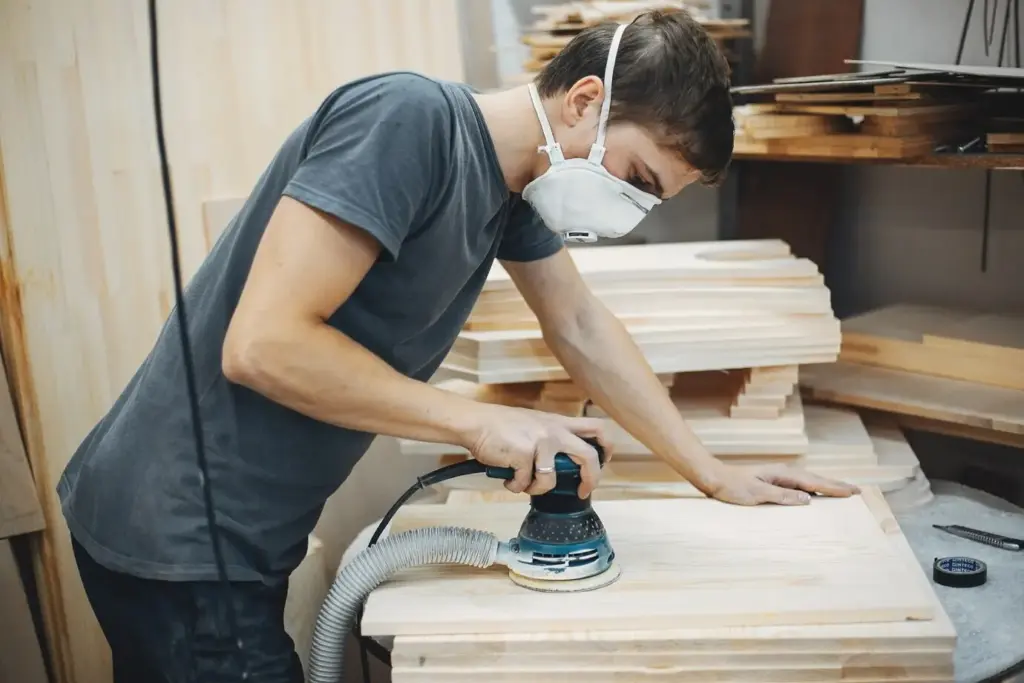
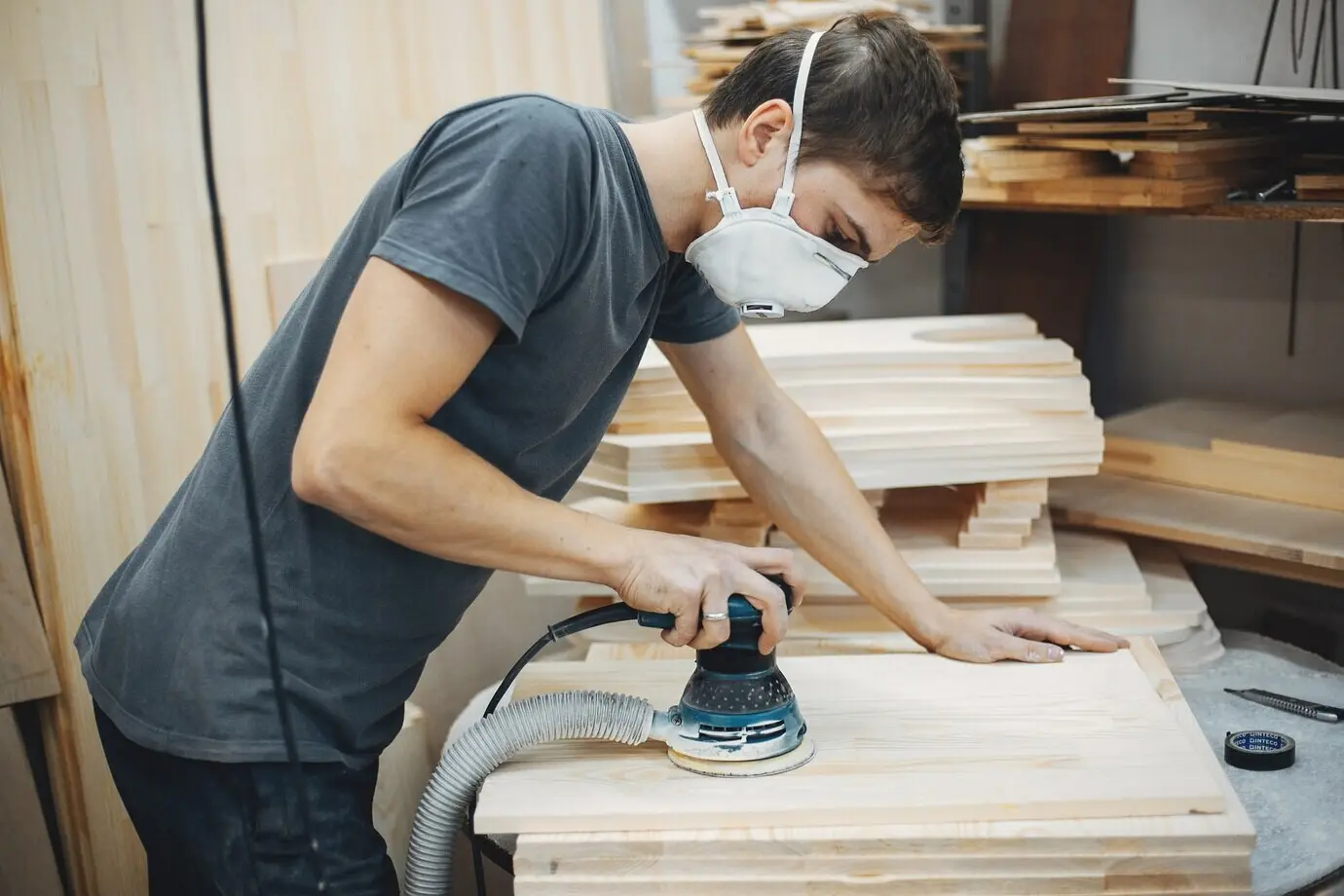
Skilled fixes transform accidents into chapters worth retelling. From consolidating a loose mortise to re-webbing a sagging seat, the methods are approachable, satisfying, and often surprisingly fast. Learn to diagnose, prepare surfaces, choose compatible materials, and restore integrity without erasing patina or personal history earned through use.

Maintenance Rituals That Matter

Simple rhythms—dusting, lubrication, and seasonal checks—extend life spans dramatically. By controlling humidity, shielding from harsh sun, and using gentle cleaners, you protect finishes and joints. Set reminders, rotate cushions, and refresh oils so comfort, appearance, and structure continue serving beautifully without emergency repairs or preventable replacements.

Cleaning Without Compromise

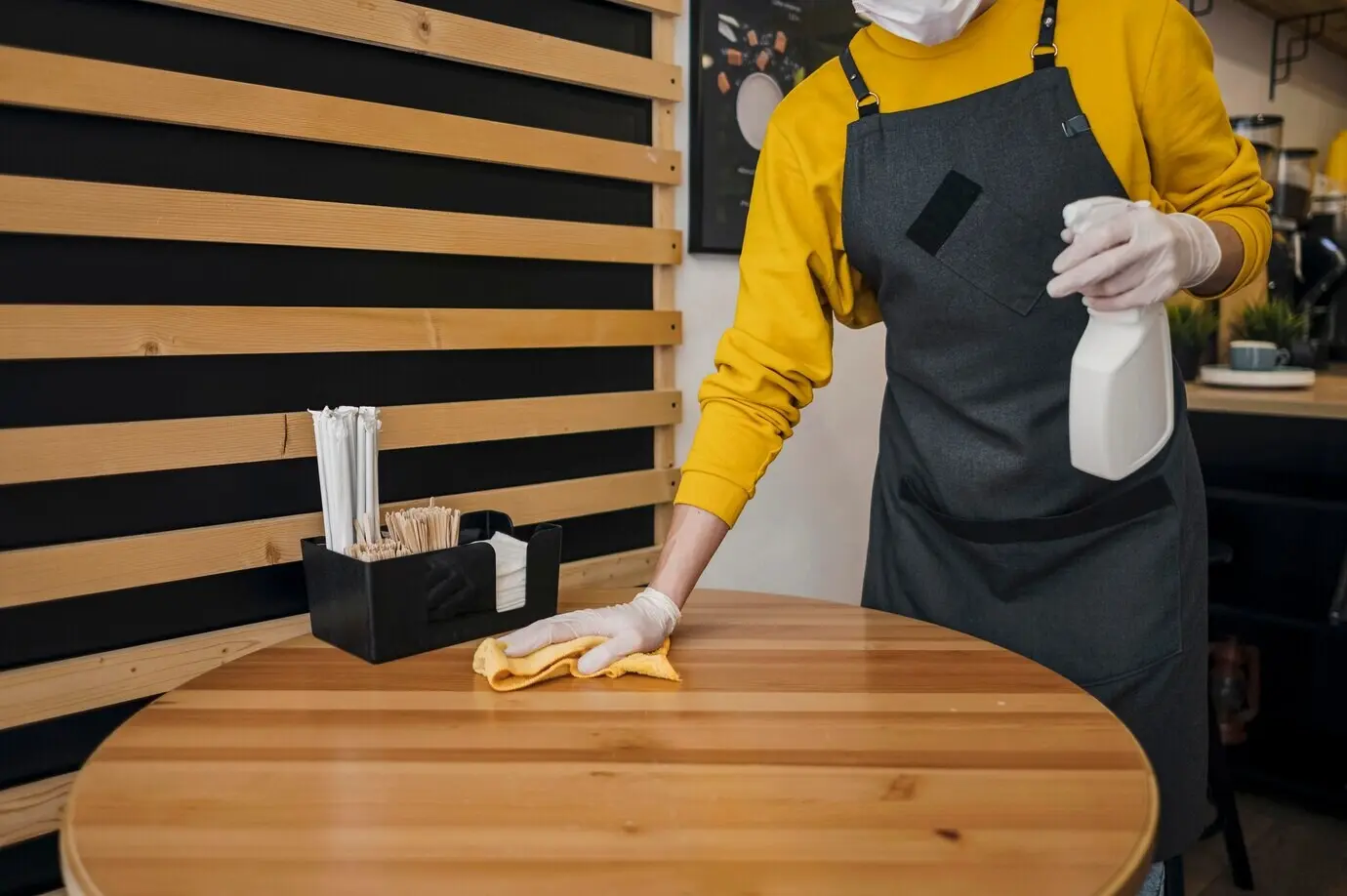
Avoid harsh solvents that strip finishes or introduce fumes. Use microfiber for dust, mild soap for grime, and mineral or plant oils sparingly where appropriate. Test every method on hidden areas, wipe dry thoroughly, and schedule light, frequent cleanings rather than occasional heavy scrubbing that stresses materials unnecessarily.

Humidity, Sunlight, and Temperature

Wood prefers stable conditions, often near moderate indoor humidity. Sudden swings cause movement, checking, or loosened joints. Shield surfaces from direct midday sun to prevent bleaching and brittle finishes. Keep pieces away from heat registers, and use felt pads so small shifts never grind grit into cherished surfaces.

Rotation and Refresh Intervals

Rotate cushions, flip loose seat pads, and alternate table placements to even wear. Re-oil penetrating finishes annually or as absorption slows, and tighten hardware during seasonal checkups. Small, predictable efforts replace crisis repairs, preserving comfort while letting patina grow gently rather than erupting as damage or fatigue.

Longevity Economics

Circular choices often cost less across decades. Total ownership costs shrink when frames are repairable, parts standardized, and finishes refinish-friendly. Factor durability, resale potential, and energy saved by avoiding replacements. What seems premium upfront becomes pragmatic when comfort, reliability, and values-driven sourcing are amortized across many satisfied years.

A Dining Table With Four Generations of Meals
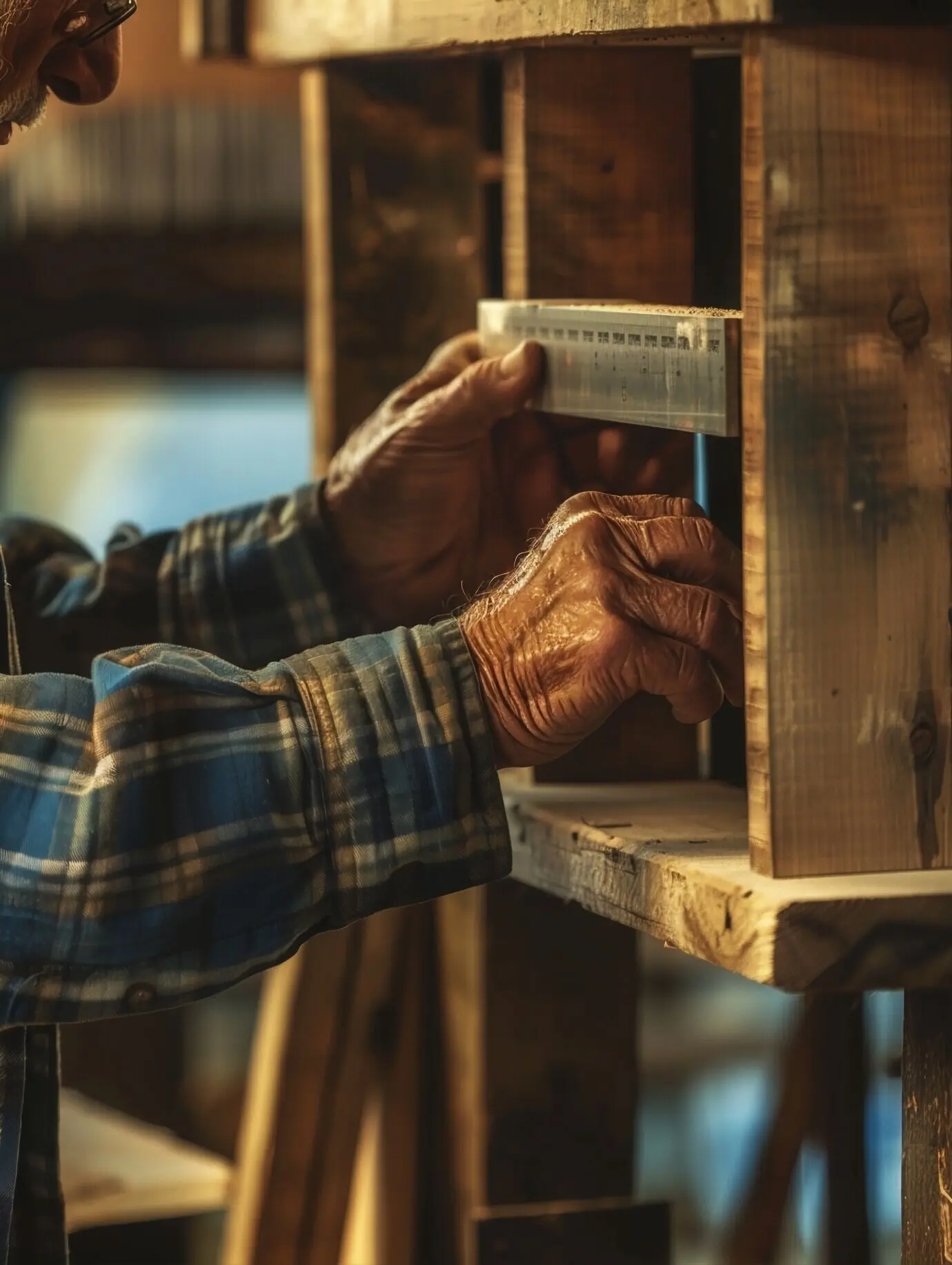
A scuffed oak table inherited from grandparents was re-leveled, its finish revived with plant oil, and leaves re-hinged with period-appropriate hardware. What began as a wobbly surface became a daily reminder that care, not perfection, makes furniture meaningful and ready for the next round of laughter.

Studio Apartment, Fully Reclaimed

A renter furnished a small space using a refurbished desk, a patched steel stool, and a reupholstered chair covered with surplus textile. The result felt intentional, personal, and breathable. Landlord-approved pads protected floors, and move-out became easier because modular pieces disassembled gracefully without damage or stressful surprises.

Neighbors, Tools, and Saturday Fixes

A block organized monthly repair gatherings with tea, clamps, and shared reference books. Participants tightened chairs, replaced sliders, and stitched cushions. The events saved money, reduced bulky trash, and introduced friendships that outlasted projects—proof that circularity scales best when repairs feel social, celebratory, and pleasantly ordinary.

Getting Involved and Measuring Impact

Momentum grows when actions are visible and inviting. Track pieces you saved, resources conserved, and skills gained so progress feels tangible. Share photos, part lists, and lessons learned, then invite others to subscribe, comment, and request guides that answer the next practical question standing between intention and action.

Track What You Keep Out of the Bin

Maintain a simple log for each item: purchase date, materials, maintenance dates, and any parts replaced. Estimating avoided purchases and reduced packaging highlights meaningful savings. Over time, the record becomes motivation, resale documentation, and a friendly nudge to schedule the next small, satisfying care session.

Start or Join a Local Repair Circle

Gather two friends, a few tools, and a free community space. Post times, swap expertise, and celebrate completed fixes online. As confidence grows, invite a local upholsterer or woodworker for a mini-workshop. Collective momentum turns occasional tinkering into a reliable neighborhood habit that benefits everyone involved.
Thinoptics-limeligght
Privacy Overview

This website uses cookies so that we can provide you with the best user experience possible. Cookie information is stored in your browser and performs functions such as recognising you when you return to our website and helping our team to understand which sections of the website you find most interesting and useful.