Ancestral Objects, Gentle Spaces

Step into a home where history breathes lightly. We explore integrating family heirlooms into low-impact interiors with preservation strategies that respect materials, memory, and the planet. Expect practical, heartfelt guidance, museum-informed care tips, and design ideas that balance beauty, wellness, and responsible stewardship, inviting your household to live with cherished objects every day without waste, toxins, or unnecessary risk.

Finding Purpose Without Compromise

Bring storied objects into rooms shaped by mindful materials, clean air, and calm energy. Here, sentimental value meets sustainable choices without sacrificing function or comfort. You will learn how to read spatial needs, define intention, and choreograph circulation so heirlooms enrich daily life while remaining protected, accessible, and meaningfully framed within a low-impact, gently evolving interior.

Conservation Know-How for Everyday Homes
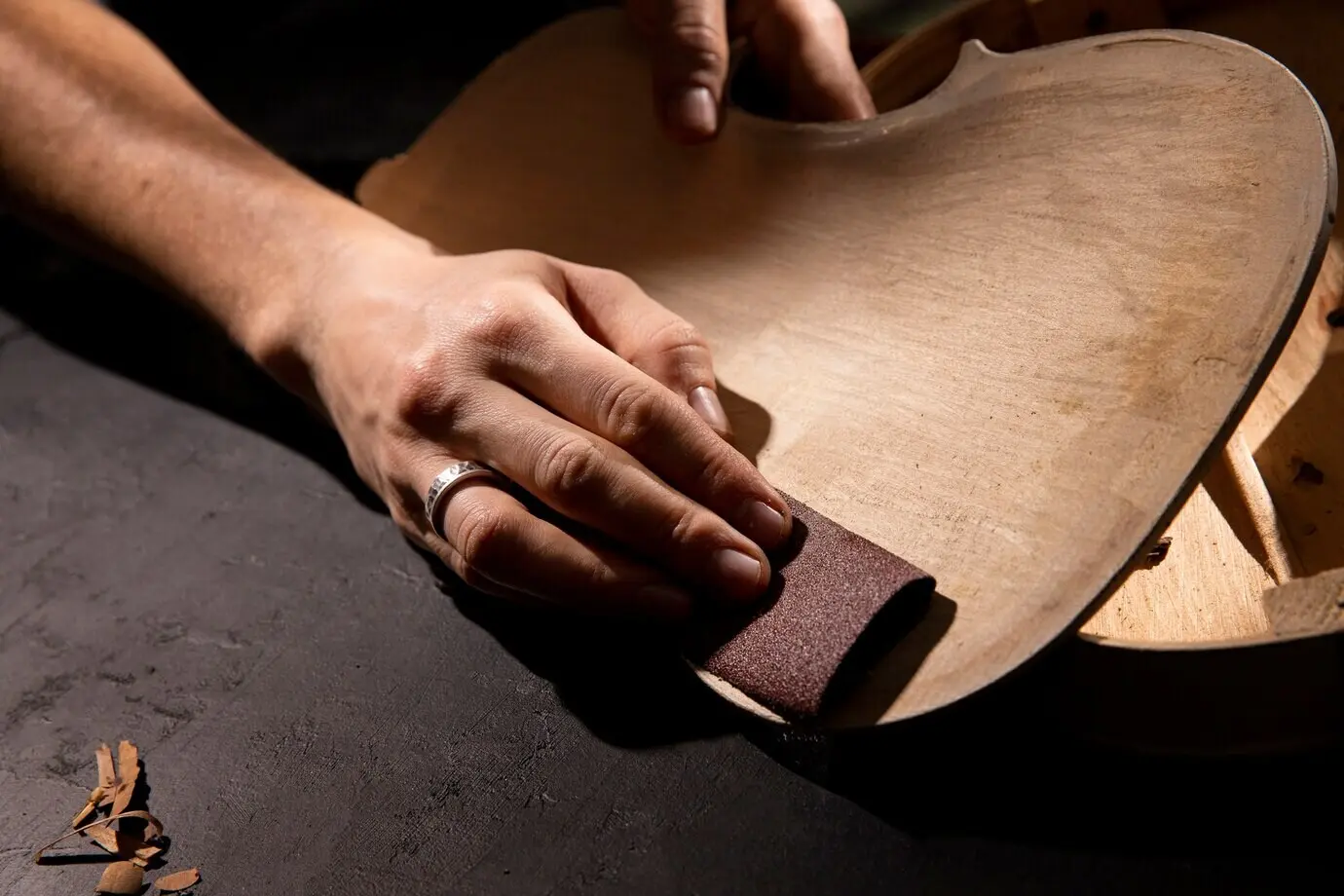
Borrow practical wisdom from museums and adapt it to real life. You do not need a climate-controlled vault to keep heirlooms safe; you need gentle light, stable humidity, clean hands, and reversible methods. These small, consistent habits become a preservation rhythm, protecting patina, texture, and legible stories while keeping interiors healthy, simple, and remarkably energy efficient overall.
Sunlight and UV are relentless. Rotate textiles and works on paper every few months, dim task lights when not in use, and specify LEDs around 2700K with high quality drivers. Add UV-filtering films or shades, and consider microclimate frames for the most light-sensitive pieces. When my neighbor Clara moved a quilt off a bay window, fading slowed dramatically within one season.
Fluctuations are more damaging than steady imperfections. Aim for relative humidity between about forty and fifty-five percent, with gradual seasonal shifts. Use indoor plants as gentle buffers, seal envelope leaks, and avoid locating heirlooms near radiators or exterior doors. Even a small digital hygrometer teaches patterns. Stability curbs warping, checking, mold blooms, and the heartbreak of lifting veneers.
Dust is abrasive; moisture is risky. Favor soft brushes, microfiber cloths, and low-suction vacuums with screens. Skip oils and silicone sprays that darken or attract dirt. Wear clean cotton gloves when needed, and test in inconspicuous spots. Document each session in a simple log. Gentle maintenance preserves character without masking history, creating a trustworthy baseline before any professional conservation.

Sustainable Materials and Thoughtful Methods

Low-impact interiors thrive on reversible fixes, breathable finishes, and honest materials. Choose plant-based paints, low- or zero-VOC sealers, and lime or casein washes that age gracefully. Pair heirlooms with archival barriers and mechanically fastened supports instead of harsh adhesives. Every decision reduces waste, extends stewardship, and invites repair rather than replacement, aligning heritage care with regenerative design principles at home.

Provenance Corners That Spark Conversation

Create a small, respectful storytelling zone with a discreet caption card, a snapshot, and a QR link to an oral history recording. Keep typography soft, materials archival, and the display reversible. This gentle narrative layer turns a static shelf into an evolving dialogue, encouraging relatives to add memories, corrections, and context while keeping the physical artifact minimally handled.

Rituals of Use Without Excess Wear

Some pieces long for periodic, mindful use. Serve tea from a porcelain set during seasonal gatherings, then hand-wash, pad with tissue, and return it to a cool cabinet. Document each moment in a shared family journal. These planned rituals balance emotional nourishment and physical safety, deepening bonds while teaching younger caretakers respectful handling through meaningful, memorable, low-risk practice.

Planning for Risk, Insurance, and Everyday Realities

Preparation lowers anxiety and protects legacies. Build a simple inventory with photos, dimensions, and condition notes. Identify priority pieces for quick evacuation and appropriate coverage. Focus on risk reduction first: good locks, discreet anchors, pest vigilance, and calm storage. These clear-sighted habits make sustainable interiors practical, ensuring precious objects coexist gracefully with children, pets, parties, and unpredictable weather.

Circularity, Repair, and Ethical Choices

Low-impact living asks difficult yet hopeful questions: what should be repaired, conserved, or allowed to age with dignity? Choose reversible fixes, favor honest patina, and source spare parts from salvage rather than new production. Rotations prevent overexposure, while lending programs strengthen community. Ethical stewardship honors makers, ancestors, and ecosystems without trapping objects in lifeless, museum-like stasis at home.

When Patina Is the Point

Surface wear can be the handwriting of history. Resist sanding away fingerprints of use. Stabilize flaking finishes, tighten joinery, and stop active corrosion, but avoid cosmetic overreach that erases timeline clues. Share the why with family, building appreciation for dignified age and ensuring future caretakers prioritize continuity, not gloss, when considering any intervention or decorative refresh next season.

Repair First, Replace Never

Start with the least invasive path: regluing, padding, and reinforcing rather than substituting parts. When replacements are unavoidable, mark them discreetly and keep originals labeled. Sourcing from reclaimed materials preserves character and reduces extraction. Document steps with photos so the object’s story includes your chapter, reinforcing circular values and making future conservation efforts informed, efficient, and respectful.

Engagement, Learning, and Community Stewardship
A Living Guide You Can Contribute To

Create a collaborative care document with checklists, suppliers, and notes tailored to your household climate and materials. Share updates with family and encourage subscribers to suggest edits. This living reference reduces guesswork, speeds decisions, and keeps practices aligned with conservation thinking, circular design, and the everyday realities of busy, loving homes balancing memory with mindful maintenance.

Stories as Renewable Energy

Create a collaborative care document with checklists, suppliers, and notes tailored to your household climate and materials. Share updates with family and encourage subscribers to suggest edits. This living reference reduces guesswork, speeds decisions, and keeps practices aligned with conservation thinking, circular design, and the everyday realities of busy, loving homes balancing memory with mindful maintenance.

Join the Conversation and Shape What’s Next

Create a collaborative care document with checklists, suppliers, and notes tailored to your household climate and materials. Share updates with family and encourage subscribers to suggest edits. This living reference reduces guesswork, speeds decisions, and keeps practices aligned with conservation thinking, circular design, and the everyday realities of busy, loving homes balancing memory with mindful maintenance.

Thinoptics-limeligght
Privacy Overview

This website uses cookies so that we can provide you with the best user experience possible. Cookie information is stored in your browser and performs functions such as recognising you when you return to our website and helping our team to understand which sections of the website you find most interesting and useful.