




Your Most Stubborn Spot, Solved
Post a description, finish type if known, and lighting conditions. We’ll brainstorm gentle paths first, test patches second, then celebrate safe success. Photos of tools, not just results, help others learn. Together we replace panic with process, rescuing beauty without fumes, anxiety, or unnecessary sanding dust.

Before-and-After Stories Worth Telling
Share the forgotten dresser rescued from the attic, the water ring that vanished, or the sticky finish that finally felt silky again. Narrative details inspire courage. Honest missteps teach even more, building a library of approaches suited to varied woods, finishes, climates, and households with busy, loving hands.
A Gentle Maintenance Checklist to Download
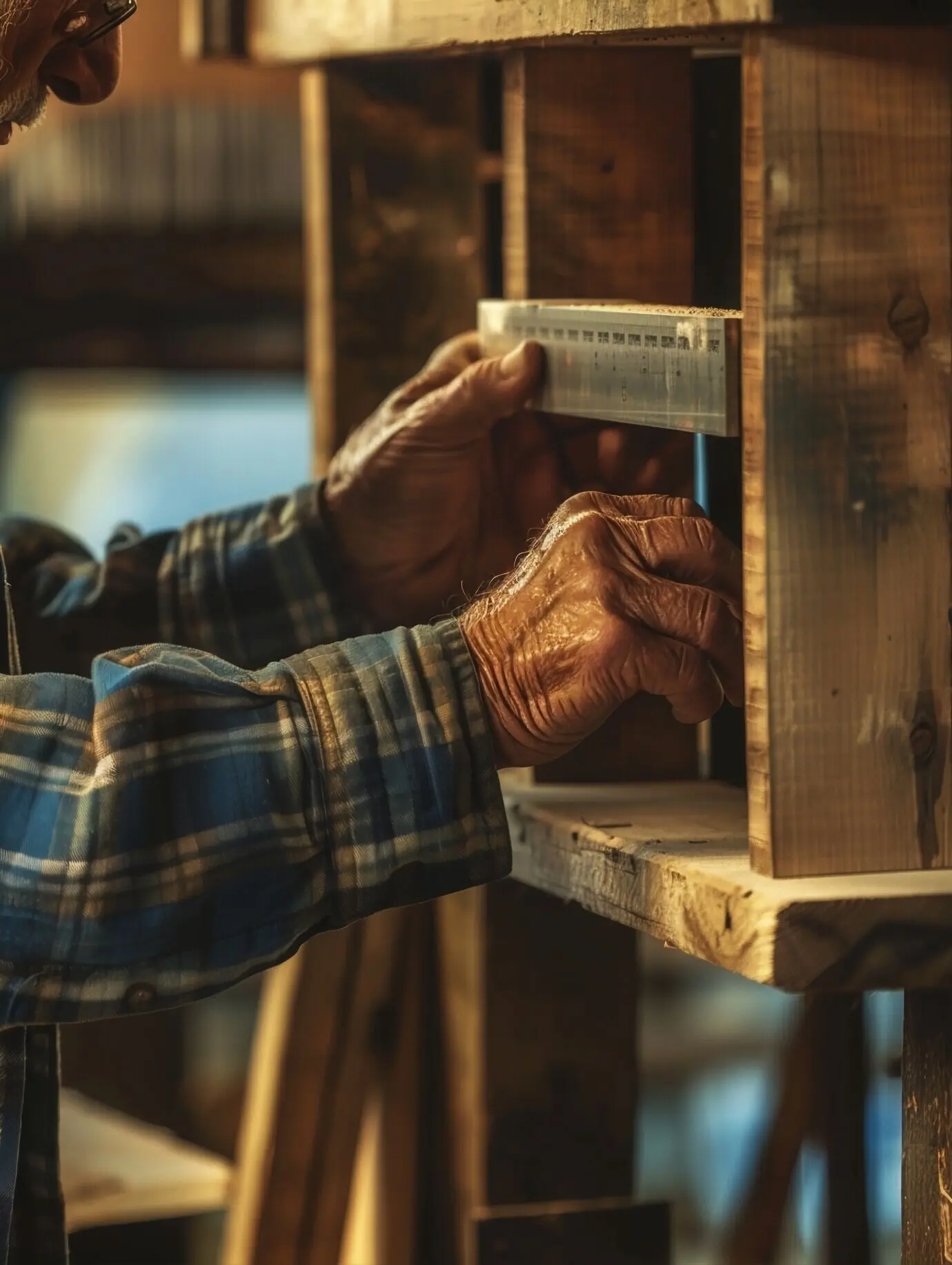
Grab our printable list covering weekly wipes, monthly inspections, and annual finish refreshers, tailored for oil, shellac, hardwax, and waterborne systems. Tape it inside a cabinet door. Checking boxes feels satisfying, and consistent care compounds into character, comfort, and savings that any mindful home can celebrate confidently.