

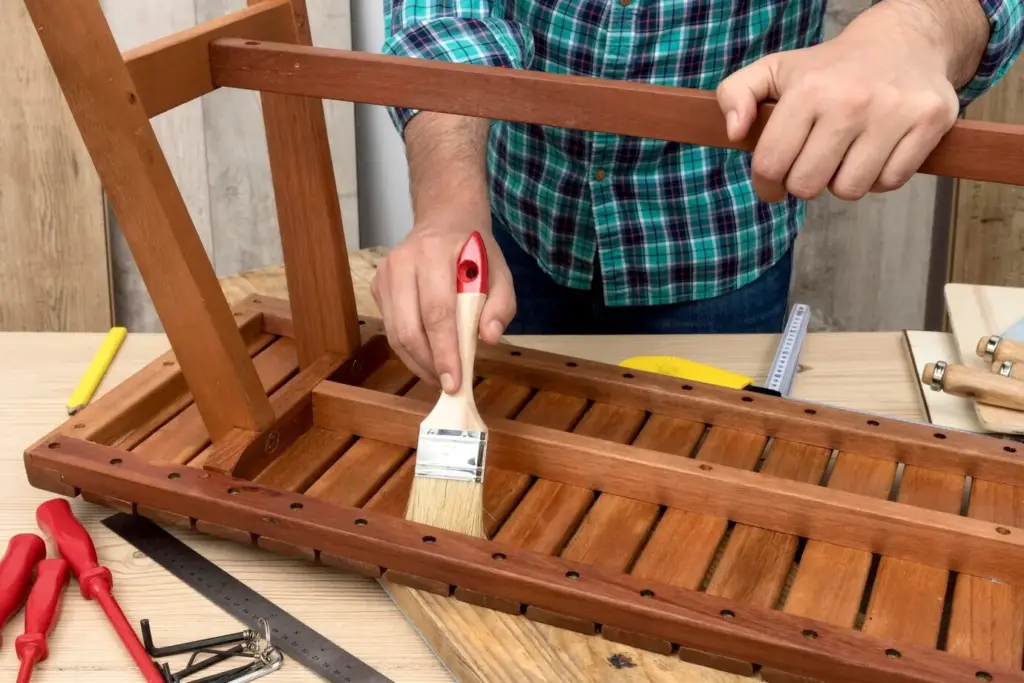


Salvaged barn beams often come from slow-grown forests, their tight grain recording seasons before our grandparents were born. When cleaned, de-nailed, and lightly planed, the scars remain like honest handwriting. Structurally repurposed or recut as mantels and stair stringers, they add warmth and stability while avoiding new logging. Every knot suggests a windstorm survived; every mortise remembers old joinery and hands that knew patience.
Reclaimed brick carries gentle irregularities that machine-made cousins rarely offer. The softened edges catch light differently across the day, animating walls and hearths with subtle shadows. Beyond beauty, reused brick holds thermal mass, evening indoor temperatures and easing mechanical loads. Cleaned, tested, and laid with lime-rich mortar, it continues a lifecycle with fewer emissions, telling a story of fire, clay, rain, and endurance.
Old sash windows, when thoughtfully restored, balance character with performance. Refitting with weatherstripping, repairing glazing putty, and adding discreet interior storms can rival new units’ efficiency while preserving delicate muntin profiles. Each ripple in antique glass refracts memories, animating views like living paintings. Sourced carefully and checked for lead-safe conditions, they honor craftsmanship, reduce waste, and transform daylight into a companion rather than a commodity.

Reusing framing lumber, brick, or stone defers energy otherwise spent on extraction, processing, and transport. Databases tracking embodied carbon consistently show significant reductions when salvaged components substitute for new. Pair this with right-sized mechanical systems and improved envelopes to compound gains. Documentation matters: record quantities, sources, and avoided impacts. Numbers empower design choices, clarifying that sentiment and science can cooperate without compromise or vagueness.

Salvage yards, deconstruction firms, and municipal material exchanges keep value circulating nearby. Buying locally reduces transport emissions and strengthens skilled labor networks that know how to safely dismantle, sort, and recondition difficult items. Homeowners benefit from provenance, spare parts, and neighbors who share tips. That sense of belonging deepens resilience, turning supply chains into relationships where materials, knowledge, and pride move together, season after season.

Long-lived homes embrace materials that welcome touch, scuff, and gentle restoration. Oil finishes, lime plasters, and solid woods can be renewed without landfill trips. Reclaimed elements already display future patina, easing anxiety about first scratches. When maintenance is simple and visible, households participate rather than outsource, building skills that outlast styles. The result is a dwelling that grows wiser, not merely older, with you.

Before installation, reclaimed lumber should be metal-detected, de-nailed, kiln-dried when appropriate, and milled true. Masonry deserves careful cleaning, sorting by hardness, and trial assemblies. Hardware needs threads chased, finishes stabilized, and moving parts lubricated. Moisture, species, and contamination testing prevent surprises. Preparation may feel unglamorous, yet it protects budgets, blades, and nerves, ensuring the final result honors material history without compromising performance.
Historic coatings can contain lead or other toxins. Follow certified containment practices: wet methods, HEPA vacuuming, and appropriate protective gear. Avoid uncontrolled sanding and torching. Consider encapsulating stable finishes beneath compatible primers rather than stripping aggressively. Partner with specialists when uncertainty lingers. Safety is not bureaucracy; it is hospitality for the people who will breathe, touch, and inhabit these rooms long after the tools are packed.
Track where materials come from, how they are tested, and which standards they meet. Clear documentation smooths permits, streamlines insurance conversations, and futureproofs resale. Photograph conditions before and after restoration, label bundles, and store certificates accessibly. This careful paper trail is not paperwork for its own sake; it is storytelling with receipts, preserving context so future stewards can maintain integrity, safety, and pride without guesswork.
All Rights Reserved.